
63 Years of Farming, One Answer
At 86, Ahn Hangja still brews tea for everyone who walks into her Jeju farm. After 63 years of farming, she has one answer.
The kettle was already going when we walked in.
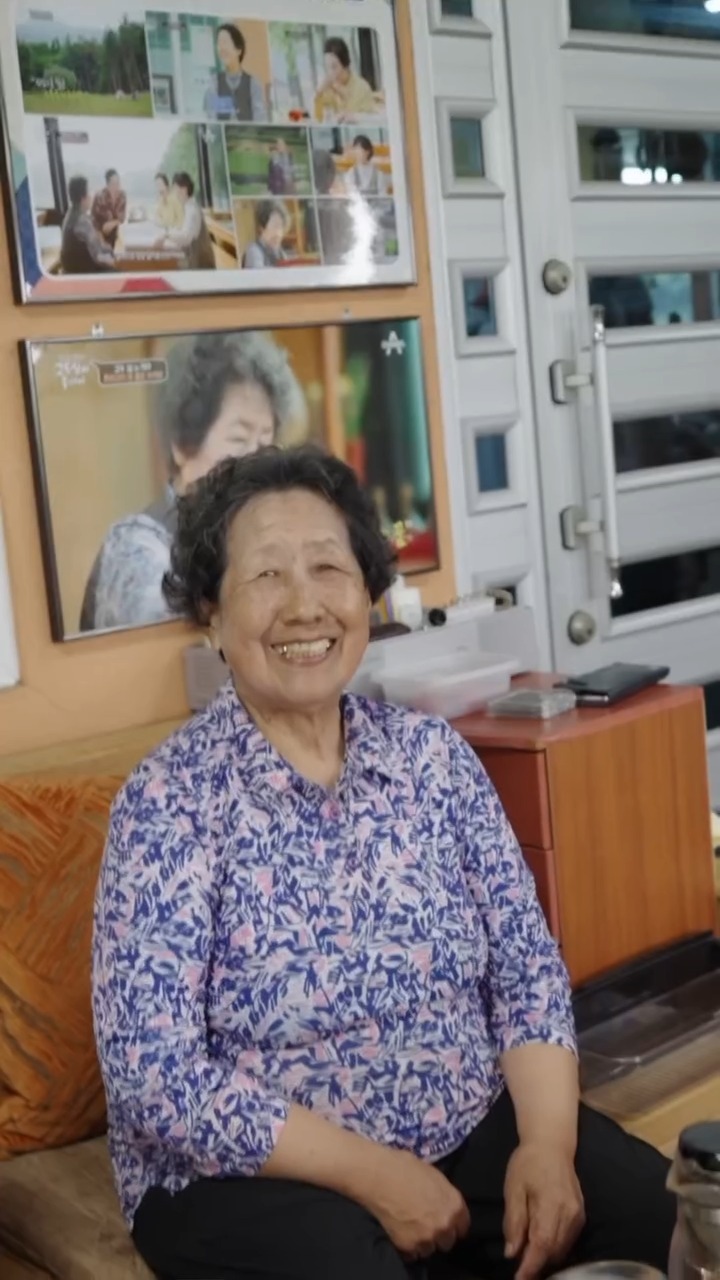
Ahn Hangja was brewing when our group came through the door of Seogwi Dawon — not pausing to greet us first, just making room at the table and carrying on. She poured. When the cups were half down, she poured again. She did this all afternoon, the way a grandmother refills a bowl without being asked, slightly past the point where you've said you're fine.
She is 86. Her husband is 91. Between them, they have farmed this corner of Seogwipo for 63 years.
For forty of those years, it was tangerines
This was not a tea farm for most of its life. It was a tangerine orchard — the crop Jeju is known for, the one that put a generation of island children through school. Forty years of knowing exactly what a tangerine tree wants in March.
Then the two of them took a trip to Kagoshima, in southern Japan, and saw tea growing.
"We decided to start tea farming after a trip to Kagoshima. Then we replaced the tangerine trees with tea trees."
Sit with the arithmetic for a second. She was in her sixties. They had a working orchard and four decades of knowing how to run it. And they pulled the trees out and started again with a plant neither of them had ever grown.
That was 23 years ago. The tea is younger than most of the people who come to drink it.
What organic actually costs here
The farm is certified organic, and she explains what that means in the plainest possible terms: no pesticides, and the farming done manually.
Manually. On a working tea farm. At 86 and 91.
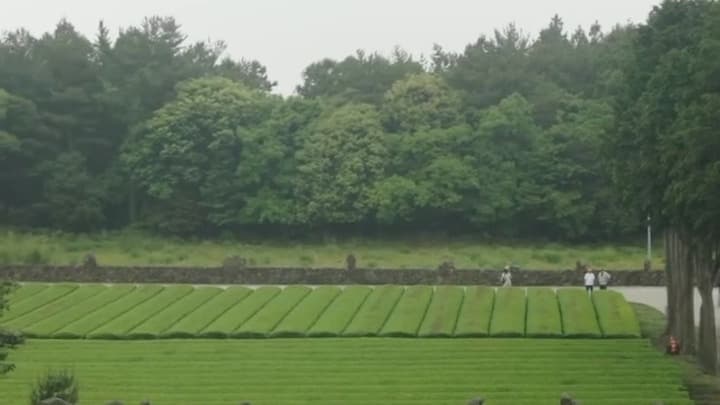
There is a version of this story where that line is a marketing claim. Standing in the room, looking out the window at rows that run right up to the stone wall, it reads more like a description of two people's Tuesdays.
The answer
She has been asked about it enough times to have an answer ready, and it is short.
성실하게 하는 것이 답이다. Doing it faithfully — that's the answer.
It isn't advice, exactly. It's an accounting. Sixty-three years of showing up, and this is the sentence she'd distill it into.
Earlier she had said something that sounded almost like an aside — "it feels like what we're meant to do." Both lines are the same line, really. One is the reason and one is the result.
The room the tea happens in
Seogwi Dawon is not a designed space. There's a hot water urn, a wall of framed photographs, a clipping from when they were featured on Arirang TV, a hand-written sign offering a free tasting. The window looks straight out over the rows.
She serves green tea first, then hwangcha — the fermented yellow tea, rounder and softer, the one people don't expect. Visitors sit at the low table and drink both, usually longer than they planned to.
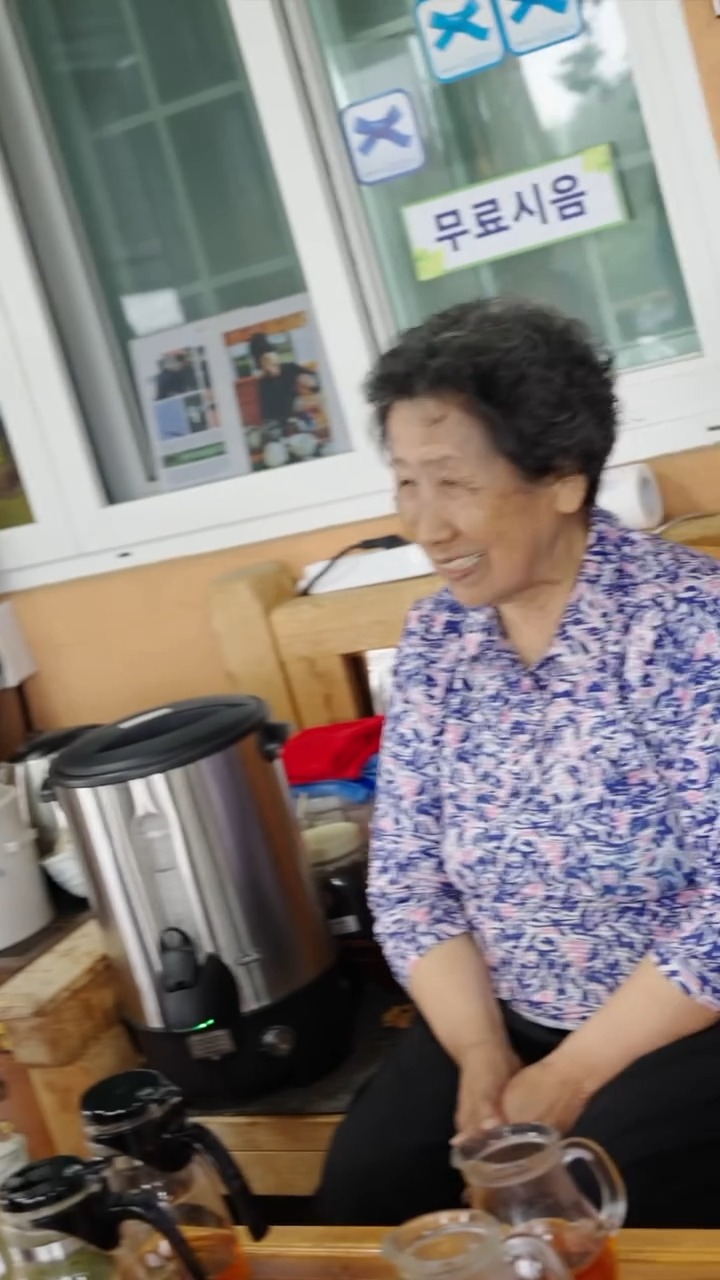
She likes the foreign visitors, and says so more than once.
"Foreign customers appreciate that we run things in an eco-friendly way. They also find it fun that it's run by an elderly couple."
"We're really happy to have them at our place. We truly appreciate it."
What we took with us
We build trips around food and places, but the thing people actually carry home is almost always a person. A farmer. A grandmother who won't let your cup get low.
On the way out she said one last thing, more of a blessing than a goodbye:
"Hope you get lots of fresh air."
Sixty-three years, and that's what she wished on us.
Seogwi Dawon (서귀다원) — 516-ro 717, Seogwipo, Jeju. Open daily, 9:00–17:00. A small entrance fee includes servings of both the green tea and the hwangcha.
Every Goodmate journey begins with a person — the real ones you'll actually meet. See what a Goodmate trip looks like